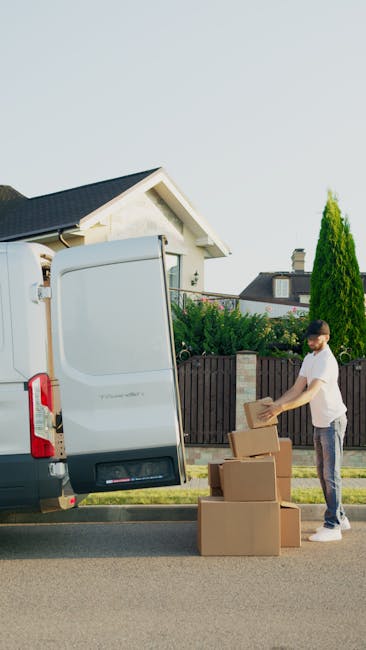
Hillingdon Council permits for Hayes moving vans
Posted on 26/06/2026
Hillingdon Council permits for Hayes moving vans: what you need to know before moving day
If you are planning a move in Hayes, parking is often the part people underestimate. The sofa is measured, the boxes are taped, the kettle is packed in some mystery carton, and then the real question lands: can the moving van stop outside without trouble? That is where Hillingdon Council permits for Hayes moving vans come in. They matter more than many households realise, especially on busier streets, narrow roads, or where suspending a bay, using a parking space, or stopping close to a property is the difference between a smooth move and a chaotic one.
In this guide, we'll break down what these permits are, when they're needed, how they usually fit into a moving plan, and how to avoid the classic mistakes that cause delays or extra cost. We'll also cover practical tips for flat moves, tricky access, and last-minute changes - because let's face it, moving day rarely goes exactly to script.
Why Hillingdon Council permits for Hayes moving vans Matters
Hayes is a busy part of west London, and parking space can be tight at the best of times. If a moving van needs to load or unload near your property, a permit or parking arrangement may be the difference between a calm start and a frustrating scramble for space. Even when the van itself is ready, the street outside may not be.
What makes this more important in Hayes is the mix of housing types and street layouts. You've got flats with limited access, terraced roads, main roads with traffic, and residential areas where a large van can block neighbours if it is left without a clear plan. A permit helps the move feel organised and respectful, which is exactly what you want when people are carrying wardrobes through a doorway and trying not to knock paint off the wall.
There is also the practical side. A permit can reduce the risk of parking penalties, improve turnaround time, and make it easier for movers to position the vehicle close enough to the property. That is not glamorous, but it saves energy and, often, money. A small detail? Sure. A small detail that can decide how the whole day feels? Absolutely.
How Hillingdon Council permits for Hayes moving vans Works
In plain English, a permit is permission to park or stop in a way that would otherwise be restricted. For moving vans, that often means using a suspended bay, holding a space, loading and unloading in a controlled way, or arranging access for a vehicle that would not normally be allowed to sit outside for long.
The exact process depends on the road, the time, and the type of restriction in place. Some jobs need a short stop for loading only. Others need longer access while furniture is moved in stages. In some cases, there may be no formal permit requirement, but the street layout makes advance planning sensible anyway. That distinction matters. Not every moving day needs the same approach, and anyone who tells you otherwise is probably glossing over the messy bits.
As a general rule, you should think about:
- whether the van can stop safely and legally near the entrance;
- whether the road has resident-only, timed, pay-and-display, or yellow-line restrictions;
- whether the move involves a flat, a maisonette, or a building with limited loading space;
- whether you need enough time for dismantling, packing, or careful item handling;
- whether the vehicle size is suitable for the street.
If you are still in the planning stage, it can help to pair parking thinking with the broader move plan. A well-timed permit goes hand in hand with preparation, packing, and sensible lifting. Our packing checklist guide is useful here, especially if you want to reduce the number of trips to the van on the day. And if you are moving on a tight schedule, these stress-free moving ideas are worth a look too.
Key Benefits and Practical Advantages
It is easy to think of a permit as just another admin task. Truth be told, it does much more than that.
- Less risk of penalties: If parking restrictions apply, having the right permission reduces the chance of fines or disputes.
- Faster loading and unloading: A van positioned closer to the property can save time and effort, especially with bulky furniture.
- Better protection for fragile items: Fewer steps between the front door and the van means less chance of bumps, drops, or weather exposure.
- More predictable scheduling: Movers can plan around access instead of guessing where the vehicle will end up.
- Less disruption to neighbours: Good parking etiquette matters in residential streets, particularly where space is shared.
For a lot of households, the biggest benefit is peace of mind. You can focus on the move itself rather than worrying whether the driver will have to circle the block five times while the kettle, the mattress, and everyone's patience slowly evaporate.
If your move includes awkward furniture or specialist lifting, the advantage becomes even clearer. A closer parking spot can make all the difference when handling a heavy item like a piano or a large sofa. For example, people moving fragile or oversized belongings often benefit from dedicated planning and specialist handling, which is why pages like piano removals in Hayes and furniture removals support are relevant to the wider move picture.
Who This Is For and When It Makes Sense
This topic matters most if your move depends on roadside access. That includes a lot of Hayes residents, especially in flats, terrace rows, and streets where parking is already competitive. If the van can sit on private drive space, you may not need much beyond a standard moving plan. But if the vehicle must use public road space, you should assume some form of parking planning is needed until you confirm otherwise.
Typical situations include:
- flat-to-flat moves where the van has to load from the street;
- house moves on roads with limited parking;
- student moves with short notice and mixed access conditions;
- office removals where multiple trips and time windows are involved;
- same-day or emergency moves where the clock matters more than usual.
If you live near busier parts of Hayes, you may also want to think about street congestion, commuter traffic, and whether the property is close to station routes or main roads. In those cases, planning the van arrival time can be just as important as the permit itself. Our local guides on moving near Hayes & Harlington station and high street removals in Hayes can help you think about access in a more realistic way.
When in doubt, treat the permit question as part of access planning, not a separate admin box. That mindset saves a lot of last-minute stress.
Step-by-Step Guidance
Here is the most practical way to approach Hillingdon Council permits for Hayes moving vans without turning it into a half-day research project.
- Check the street outside the property. Look for yellow lines, resident bays, pay-and-display spaces, loading restrictions, or signs limiting stopping time.
- Measure the access. Think about road width, turning room, and how close the van can get to the entrance without blocking traffic or driveways.
- Estimate the move window. A one-bedroom flat is not the same as a family house. Be honest about how long loading will really take. People always underestimate this. Always.
- Decide whether loading-only access is enough. Some moves may only need short stop space, while others require longer parking or a formal arrangement.
- Coordinate with your moving company early. Let the team know if access is restricted, if there are stairs, or if the van must park a certain distance away.
- Prepare the property. Clear hallways, label boxes, and separate fragile or high-value items so the crew can move efficiently.
- Confirm the day before. Moving plans change. Vehicles, weather, work schedules, and access all have a habit of shifting at the worst possible moment.
If your move involves narrow staircases, low ceilings, or awkward corners, it is worth reading guidance on moving through narrow stairs in Hayes flats. Access and parking are connected. A good permit plan is only half the story if the route from the door to the van is a headache.
For people moving a small number of items, a man with a van in Hayes or a flexible man and van service may be enough. For larger homes, you may need a broader removal services approach that handles access, packing, and transport in one go.
Expert Tips for Better Results
The best moving days are usually the ones where the boring details were handled early. Not exciting. Very effective.
- Book access planning before you pack the first box. If the van cannot park nearby, the whole loading rhythm changes.
- Choose the right vehicle size. A larger van may reduce trips, but it still needs space to stop and manoeuvre safely.
- Keep essentials separate. If the van is delayed or parked a little farther away than expected, you do not want to be searching through ten boxes for chargers, toiletries, or the kettle.
- Take photos of the street and entrance. This sounds simple, but it helps you explain access issues clearly if you need to brief movers.
- Think about weather. Rain changes everything. Wet cardboard, slippery pavements, and a long walk from the kerb are not a lovely combination.
One tiny but useful observation: many people focus on the van and forget the landing. If you live in a flat and the building has awkward corners, the route inside can be just as important as the parking outside. That is why flat-specific planning matters, especially when using flat removals in Hayes.
Also, if you are moving furniture that needs wrapping or protecting, preparation makes a huge difference. Our articles on sofa protection and storage and moving beds and mattresses are handy if you want to avoid scratches, scuffs, or that dreadful "why is this suddenly heavier?" moment.
And yes, lift with care. Your back will remember what your enthusiasm forgets.

Common Mistakes to Avoid
Most permit-related problems are avoidable. The trouble is, they usually happen because people make small assumptions that seem harmless on a quiet Tuesday and then become major issues on moving day.
- Leaving it too late: If you wait until the day before, you may be stuck with limited options or rushed decisions.
- Assuming the van can "just stop there": A road may look fine until you notice restrictions, time limits, or blocked loading space.
- Forgetting building rules: Some flats and managed properties have their own access conditions, which can be separate from street parking.
- Booking the wrong type of service: A basic collection might not suit a move involving awkward parking or multiple heavy items.
- Underestimating loading time: If access is awkward, every trip takes longer. That gap adds up quickly.
- Not checking one-way streets or turning space: A van can have permission to stop and still be awkward to position safely.
One common headache is a plan that works on paper but not in real life. The van can park, yes, but then the lift is out, or the nearest bay is occupied, or the boxes have been packed too late to move efficiently. These things happen. Often. A little flexibility is healthy.
If cost worries are part of the picture too, it can help to read how removals pricing works in Hayes. Parking access and timing often influence the final job more than people expect.
Tools, Resources and Recommendations
You do not need a mountain of gear to manage parking and access properly, but a few practical tools make a move much easier.
- Measuring tape: Useful for checking furniture dimensions, doorways, and any tight loading points.
- Phone camera: Quick photos of the street, building entrance, and parking area help with planning and communication.
- Box labels and a marker: Simple, but they save a lot of time when items need to come off the van in a specific order.
- Furniture covers and blankets: Good for protection when a van must park farther away and items are carried longer distances.
- Dolly or sack truck: Helpful for heavy boxes and appliances, as long as the route is suitable.
On the service side, it is worth considering whether you need a full moving package or just transport. The answer often depends on access. If parking is straightforward, a straightforward vehicle hire may be enough. If the street is tight or the property is awkward, a more experienced team can save you real hassle.
For example, people who need help with a full household move often look at house removals in Hayes, while smaller or more flexible jobs may fit better with a removal van in Hayes. For office relocations, access planning can be even more critical because time windows are often less forgiving, which makes office removals in Hayes relevant too.
Law, Compliance, Standards, or Best Practice
Parking and loading around a move is not just a convenience issue. It sits within normal road-use rules, local parking controls, and general expectations around safe access. Without going beyond what can be responsibly stated here, the safest approach is to assume that any restricted space needs checking before the van arrives.
Best practice usually means:
- parking legally and safely;
- not blocking driveways, crossings, or emergency access;
- allowing enough room for the vehicle and any pedestrians;
- planning around building or estate rules;
- making sure lifting and moving is done safely, especially with heavy or awkward items.
In the removals industry, safe handling matters as much as parking. A moving day often combines manual lifting, vehicle movement, and time pressure, which is why a reputable team should have clear procedures for safety and insurance. You can read more about this approach in our health and safety policy and insurance and safety information.
If sustainability is part of your decision-making, it is also worth thinking about waste, reuse, and packaging choices. A move that uses fewer trips, less unnecessary wrapping, and a sensible disposal plan is better for everyone. Our recycling and sustainability page is a useful complement to that mindset.
And, because paperwork matters too, you may want to be clear on service terms, payment expectations, and any complaint process before you book. Nobody enjoys reading terms and conditions on the sofa at 11pm, but it beats confusion later.
Options, Methods, or Comparison Table
Different moves need different approaches. Here is a simple comparison of common access and parking methods for Hayes moves.
| Approach | Best for | Pros | Trade-offs |
|---|---|---|---|
| Standard roadside loading | Simple house moves with clear access | Quick, flexible, usually low fuss | May not suit restricted streets or flats |
| Permit or suspended bay planning | Busy roads or controlled parking areas | Closer access, better time management | Needs checking and possible advance action |
| Smaller van or man-and-van setup | Compact loads, student moves, short jobs | Easier on narrow roads, often more agile | May need extra trips for larger loads |
| Full removal service | Family homes, bulky furniture, complex access | More support, more efficient loading, less stress | Usually more involved to plan |
If you are unsure which option suits your move, start with access, not price. The cheapest-looking choice can become the most expensive if the van cannot park properly or the team has to waste time with repeated trips.
Case Study or Real-World Example
Imagine a couple moving from a first-floor flat in Hayes to a nearby house. On paper, it looks simple. Same area, short distance, not many rooms. Then the detail appears: the road outside the flat is narrow, there is limited curb space, and the nearest legal parking is farther away than expected.
They initially assume the van can stop right outside for an hour. But when they arrive and the road is busy with resident parking, the crew has to work from a greater distance. Now the move takes longer, the boxes need more carrying, and the sofa becomes a much less cheerful piece of furniture than it looked in the living room.
Once they adjust the plan, the day improves. The van is timed to arrive during a quieter window, fragile items are packed separately, the heaviest furniture is dismantled first, and the loading route is kept clear. The move still requires effort, of course, but the stress level drops sharply because the access problem was handled properly.
That is really the lesson with Hillingdon Council permits for Hayes moving vans: the right parking decision turns the rest of the move into a manageable sequence instead of a scramble. Small detail, big impact.
People moving smaller or student loads often benefit from this kind of planning too. Our student removals information and same-day removals in Hayes pages are useful if your timescale is tight or your load is not huge but still needs careful handling.
Practical Checklist
Use this as a simple pre-move checkpoint. It is short on purpose.
- Confirm whether the road has parking restrictions.
- Check if loading-only access is enough for your move.
- Measure the van access space and note any tight turns.
- Tell your movers about stairs, lifts, or long carrying distances.
- Pack essential items separately.
- Label fragile boxes clearly.
- Protect furniture with covers or blankets.
- Keep hallways and entrances clear.
- Plan the arrival time to avoid local congestion where possible.
- Double-check service details, payment terms, and the move timeline.
If you are still in the early planning stage, browsing our wider services overview can help you match the right support to the job. And if you simply need an idea of costs before you commit, the pricing and quotes page is a sensible next stop.
Get a free quote today and see how much you can save.
Conclusion
Hillingdon Council permits for Hayes moving vans are not just a technical detail. They are part of the practical backbone of a smooth move. When access is organised, the day feels lighter. Boxes move faster, the crew can work more safely, and you spend less time worrying about parking drama or avoidable delays.
The best approach is simple: check the street, plan the van position, think about the property layout, and build your moving day around access instead of hoping access will sort itself out. A little foresight goes a long way. It really does.
If you want the move to feel calm rather than chaotic, start with the road outside. Everything else tends to fall into place more easily after that.