Hayes pavement and parking rules for removal vans
Posted on 05/07/2026
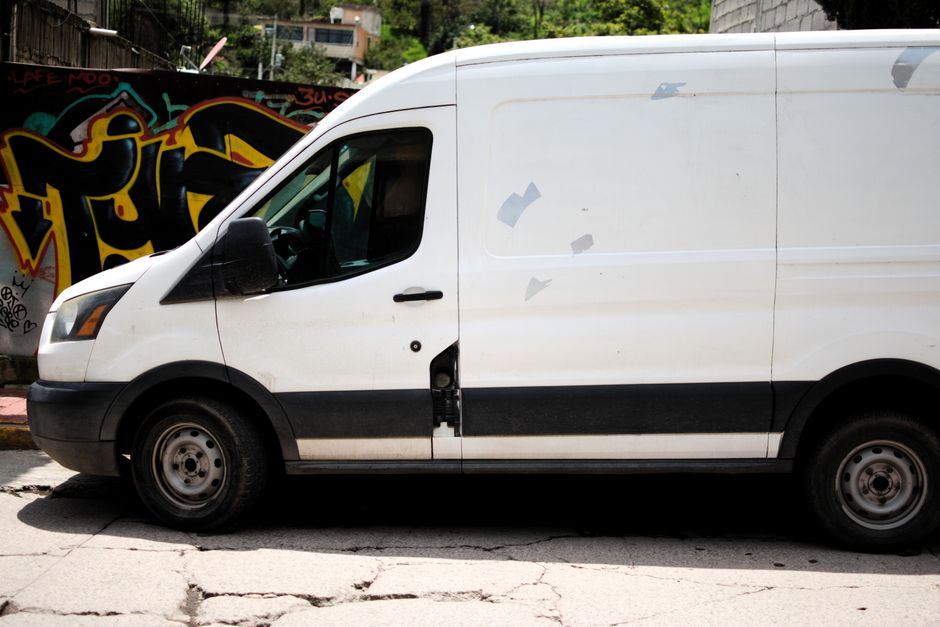
If you are moving in Hayes, parking can be the difference between a calm, efficient removal and a day of awkward shuffling, blocked access, and stressed neighbours. Hayes pavement and parking rules for removal vans are not just a background detail; they shape where the van can stop, how far your belongings must be carried, and whether the move stays safe and legal. In a busy local setting, especially around flats, high streets, station roads, and narrower residential streets, getting the parking side right is just as important as packing the boxes.
This guide walks through what those rules mean in practice, how to plan for pavement and kerbside access, what to do about permits or restrictions, and how to avoid the common mistakes that catch people out on moving day. It is written for real-life moves, not theoretical ones. And yes, a little planning goes a long way here.
- Why the rules matter
- How parking and pavement access works
- Key benefits of planning ahead
- Who needs this guidance
- Step-by-step move planning
- Expert tips for better results
- Common mistakes to avoid
- Tools, resources and recommendations
- Law, compliance and best practice
- Options and comparison
- Real-world example
- Practical checklist
- Conclusion
- Frequently asked questions
Why Hayes pavement and parking rules for removal vans Matters
Parking is often the first thing people underestimate on a move. They think about boxes, bubble wrap, and what goes in the kitchen first. Then the van arrives, there is nowhere sensible to stop, and suddenly the whole operation slows down. In Hayes, that can happen quickly because local roads vary a lot: some are roomy enough for a clean kerbside stop, while others are tight, busy, or already full with resident parking.
The phrase Hayes pavement and parking rules for removal vans covers two related issues. The first is where a removal van may park or wait without causing a problem. The second is how far the load has to travel between the property and the vehicle. That distance matters more than people realise. Every extra metre means extra time, more lifting, a higher risk of damage, and a tougher day for everyone involved. Simple enough, but easy to forget.
It also matters for safety. A van partly on the pavement, an open boot in a narrow street, or boxes being carried across uneven ground can create real hazards for the movers, pedestrians, and neighbours. If a delivery rider, parent with a buggy, or schoolchild has to squeeze past a blocked path, the whole situation becomes awkward very fast. Nobody wants that on moving day.
For flats, shared entrances, and streets near local shops or stations, the access plan can shape the whole move. That is why experienced movers spend time thinking about parking, bay availability, kerb space, stair access, and whether the property frontage is realistically suitable for a removal van. It is not just logistics. It is the move.
If you are still in the planning stage, it can help to look at broader move-prep advice too. A sensible place to start is the company's guidance on creating a stress-free moving experience and the practical packing advice in the ultimate moving checklist.
Expert summary: In Hayes, good parking planning is not a luxury. It is one of the main things that keeps a removal van move safe, efficient, and less disruptive for everyone around you.
How Hayes pavement and parking rules for removal vans Works
There is no single "one size fits all" stopping point for a removal van in Hayes. The practical reality is that parking depends on the exact street, the time of day, nearby restrictions, whether the area uses resident bays, and whether there is enough room for loading without causing an obstruction. In many cases, the rule of thumb is simple: stop only where the van can load safely, legally, and without blocking access more than necessary.
In day-to-day moving, this usually means a few key checks:
- Can the van stop close enough to the property to make lifting reasonable?
- Is there a marked parking bay, loading bay, or unrestricted kerbside space?
- Will the van block driveways, junctions, crossings, or footpaths?
- Is there enough room for doors, ramps, and moving equipment?
- Will the stop create an issue for local traffic or pedestrians?
That last point is important. Even where a van can technically stop, it may not be the best place to do so. Removal work is awkward if the pavement is narrow, uneven, sloped, or busy with foot traffic. A few minutes spent repositioning can save a lot of time later. To be fair, that is where many moves go wrong: people treat parking as an afterthought rather than a core part of the plan.
For building access, the same logic applies. If you are moving from a flat, you may need to think about shared hallways, lift availability, stair width, and where items can be temporarily staged. If that sounds familiar, you may also find the guidance on narrow stairs in Hayes flats helpful, especially where the parking and carry distance are linked.
There is also the question of pavement use. In practical terms, a van should not be placed in a way that damages paving or forces people into the road. The safer approach is to use proper loading space, keep route distances short, and avoid any positioning that might be seen as careless. A small patch of extra planning, honestly, prevents a lot of grief.
What removal teams usually look for
- Short carry distance: fewer steps, less risk, faster loading.
- Clear pedestrian route: so people can pass safely.
- Stable stopping point: ideally level ground, not a sloping edge.
- Nearby legal parking: so the vehicle is not left in a risky position.
- Room for equipment: ramps, blankets, dollies, and trolleys all need space.
Key Benefits and Practical Advantages
When the parking plan is right, the whole move tends to feel more controlled. You notice it in the small things: less standing around, fewer awkward turns through tight hallways, fewer frantic phone calls, and fewer moments where somebody says, "we'll just make this work" while everyone quietly hopes for the best.
The main benefits are practical, not flashy:
- Faster loading and unloading. A van parked close to the entrance saves time on every trip.
- Lower risk of damage. Shorter carry distances reduce bumps, scrapes, and dropped items.
- Less physical strain. The team is not repeatedly carrying heavy furniture over long distances.
- Smoother neighbour relations. Good parking habits reduce complaints and tension.
- Better schedule control. If parking is secured, the move is much more likely to stay on time.
There is also a business-side benefit if you are comparing service types. A well-organised move often costs less in real terms because fewer delays mean fewer labour hours and less wasted effort. That is exactly why many customers read about how removal pricing works and how hidden fees are avoided before they book.
For more delicate or bulky items, the parking setup can protect the item itself. Sofas, for example, do not like being carried too far if there is a narrow entrance and a turn at the end of the route. The same goes for larger pieces covered in another part of the site's advice, such as sofa storage and care tips and bulky item collection in Hayes.
And then there is plain old sanity. A move that starts with a sensible parking plan feels calmer from the first 10 minutes. That counts for a lot, especially if you are already juggling school runs, work, or a completion deadline. No one needs extra chaos at 8:15 in the morning.
Who This Is For and When It Makes Sense
This guidance is for anyone moving in or out of Hayes where a removal van needs to stop near the property. That sounds obvious, but the situations vary more than you might expect. A ground-floor house on a wide road has different parking needs from a third-floor flat near a station, and a late-afternoon office move is a different beast again.
It makes the most sense if you are:
- moving from a house on a residential street with limited bays;
- moving into or out of a flat with shared access or narrow frontage;
- using a larger removal van that needs more space to manoeuvre;
- planning a same-day or time-sensitive move;
- dealing with bulky furniture, appliances, or awkward stair routes;
- co-ordinating movers, landlords, or building managers;
- trying to reduce the amount of carrying on moving day.
Students and renters often underestimate this, especially if they are used to smaller moves. A one-bedroom flat can still be a logistical headache if the van has to park a long way away. If that is your situation, the advice on quick flat-to-flat moves in Hayes and moving near Hayes & Harlington Station may be useful.
Commercial customers, too, need to think ahead. Office moves often involve building access windows, shared loading areas, and pressure to avoid disrupting staff or customers. If that is your world, the article on stress-free Hayes high street removals is a relevant companion read.
Step-by-Step Guidance
If you want a move that feels under control, treat the parking and pavement side as a sequence of decisions. The good news is that you do not need to overcomplicate it. You just need to be methodical.
- Check the property frontage. Look at the road width, bay markings, dropped kerbs, and whether there is enough space for a van to stop without blocking a driveway or junction.
- Measure the carry route. Count the number of steps, note any tight turns, and check for obstacles like bins, railings, or low walls.
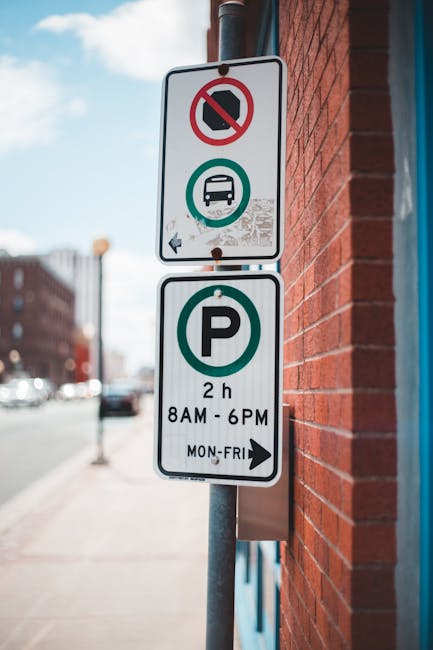
- Ask about local restrictions. If you live in or are moving to an area with controlled parking, resident bays, or timed restrictions, make sure you understand what is allowed at your time slot.
- Plan for the size of the vehicle. A man and van setup may fit more easily on some streets, while a larger removal van may need a different stop point. The right vehicle matters.
- Reserve space where possible. If the move is complex, think ahead about temporary space, loading room, or whether vehicles need to be staggered.
- Protect the pavement and access route. Use mats, runners, or basic protection where appropriate so heavy boxes do not scrape surfaces on the way in and out.
- Brief everyone before the van arrives. People should know where to stand, where items are being staged, and which route is safest.
- Keep the loading window tight. Once the van is positioned, make the most of it. Delays can turn a neat plan into a messy one, very quickly.
A small but important point: if you are moving large or fragile items, do not leave the route planning to the last minute. It is a lot easier to carry a wardrobe or piano when you already know the van can sit close to the entrance. For delicate pieces, the company's specific guidance on piano removals in Hayes shows why access planning matters so much.
If you are preparing for a full household move, the packing side should run in parallel with the access side. That is why many customers use the site's moving checklist and box guidance alongside this parking planning work.
Expert Tips for Better Results
A few practical habits make a surprisingly big difference. These are the kind of things experienced movers learn early, often the hard way.
1. Plan for the real weather, not the weather you hope for
A clear morning can turn damp and slippery by lunch. Pavement edges, metal drains, and old kerbs become much less forgiving when wet. If you are moving in typical British weather, prepare for a bit of everything. It is rarely dramatic, just annoyingly changeable.
2. Ask the awkward parking question early
If there is any uncertainty about where the van can stop, raise it before move day. The awkward question now is better than the awkward argument later. Will there be room for a van? Can it sit there without blocking access? What about timed restrictions? Ask plainly.
3. Build in a buffer for station roads and busier streets
Busy roads in Hayes can get congested around commuting periods. Even a perfectly legal stopping place may be difficult to use at the exact time you hoped. A little timing flexibility can save a lot of pressure.
4. Keep the first-load items near the door
When the van is parked well, the next bottleneck is usually the front hall. Put the earliest-loading items close to the exit so the team can keep momentum. A few metres saved in the hallway can feel like a small miracle.
5. Match your move type to the access reality
A flat move, student move, or same-day emergency move each has different access needs. If the parking is tight, a lighter van or more compact load plan may work better than forcing a larger vehicle into a poor position. That is not being cautious for the sake of it. It is just smart.
For safety-focused moving advice, the related pages on insurance and safety and health and safety policy are worth considering as supporting reading, especially if you want to understand the standards behind careful moving practice.
Common Mistakes to Avoid
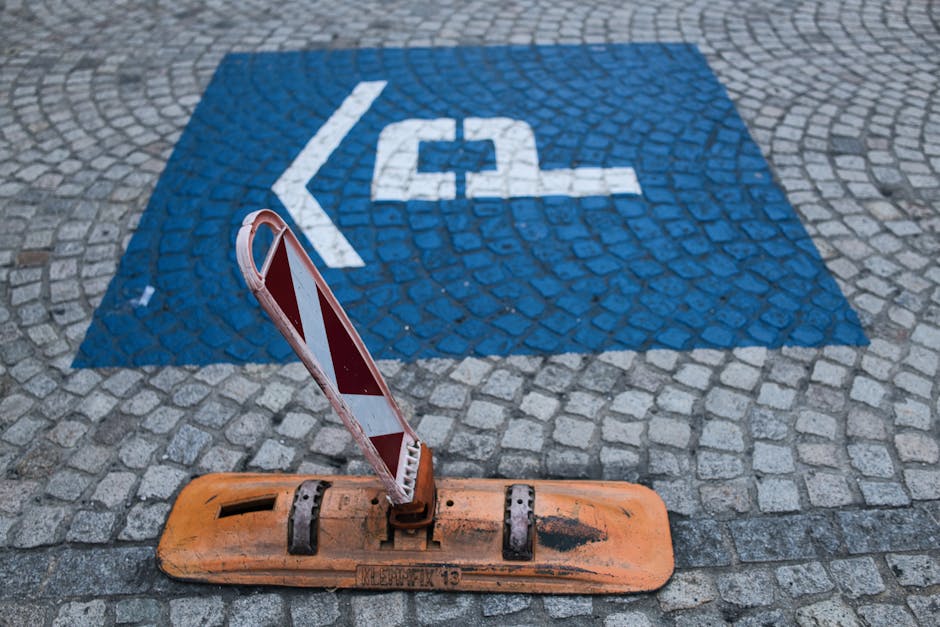
Most problems with Hayes pavement and parking rules for removal vans come from avoidable assumptions. The move itself may be fine. It is the parking that quietly causes the mess.
- Assuming there will "just be space". That phrase causes trouble all the time.
- Blocking a pavement or driveway without checking the impact. Even if it seems temporary, it can still be disruptive.
- Ignoring the carry distance. A legal stop that is 40 metres away is not the same as one outside the door.
- Forgetting about time restrictions. Some areas are fine in the morning and awkward later on.
- Not warning neighbours or building staff. Shared spaces work better when people know what is happening.
- Booking the wrong vehicle size. Too large, and parking becomes harder. Too small, and the move takes far longer.
- Leaving box stacking until the van arrives. That creates delays right when you need rhythm.
One mistake that is particularly common in flats is assuming the building's front area can be used like a private loading bay. Usually, it cannot. If a space is shared, narrow, or part of a public walkway, treat it with caution. A quick chat with the building manager or landlord is much better than a complaint after the fact.
Another one? Letting the van driver "figure it out" without giving any local context. Drivers are good, often very good, but they are not mind readers. They need to know the route, the access problems, and the quirks of the street. That tiny bit of detail can be the difference between smooth and scrappy.
Tools, Resources and Recommendations
You do not need fancy kit to handle the parking side of a move, but the right tools help keep things tidy and safe. In practice, the best setup is a mix of preparation, decent equipment, and clear communication.
Useful practical tools
- Trolley or sack truck: useful where the van is a short distance from the property and you want to reduce strain.
- Furniture blankets and straps: help protect items if loading has to happen in stages.
- Door protectors and floor covers: especially helpful in shared buildings and flats.
- Boxes with clear labels: make the loading sequence much smoother.
- Phone notes or a simple checklist: keep the access plan visible to everyone involved.
For packing support, the company's packing and boxes guidance for Hayes can help you avoid the common "where did I put that?" moment that always appears at the worst possible time.
On the planning side, some customers also benefit from checking the site's broader service pages so they can match the move type to the access conditions. For example, a homeowner with a full family house move may need a different approach from someone booking a man with a van in Hayes for a smaller load. Both can be right; they just solve different problems.
If space is limited, temporary storage can ease the pressure. A staged move is sometimes much simpler than trying to force everything through a single tight loading window. That is where storage in Hayes can become part of the solution rather than an extra complication.
Law, Compliance, Standards, or Best Practice
Parking and pavement rules are not something to treat casually. In the UK, local roads are governed by council parking controls, highway rules, and practical common-sense duties around obstruction and safety. Exact arrangements vary by street and by time, so it is always wise to check the local position rather than assume. That is the cautious, sensible route.
The best practice approach is simple:
- avoid blocking pavements, driveways, crossings, or emergency access;
- keep pedestrian routes safe and clear wherever possible;
- use legitimate loading space instead of making up your own version of it;
- manage timing carefully if restrictions apply;
- communicate with the property owner, landlord, or building manager where needed;
- choose a loading setup that reduces the chance of damage or complaints.
If you are unsure, the most reliable move is to ask before move day. That may mean speaking to the property manager, checking the local parking situation in advance, or choosing a vehicle and arrival time that better fits the street. No drama, just a bit of due diligence.
From a removals perspective, compliance is really about reducing risk. A compliant, well-planned move tends to be safer, less stressful, and easier to complete on time. It also tends to leave everyone on better terms, which matters more than people admit.
Options, Methods, or Comparison Table
Different parking and access approaches suit different moving situations. Here is a simple comparison to help you decide what works best.
| Method | Best for | Pros | Trade-offs |
|---|---|---|---|
| Kerbside stop close to the door | Most house moves and straightforward flat moves | Fast loading, less carrying, lower strain | May need careful timing and space management |
| Marked loading area | Busy streets and time-sensitive moves | Predictable access, easier traffic management | May be limited by time windows or availability |
| Longer carry from side street or nearby bay | Tight residential roads or restricted frontage | Can still work when direct parking is difficult | Slower, more physical effort, greater chance of delays |
| Staged move with storage support | Complex moves, flat clear-outs, awkward access | Reduces pressure on move day, more control | Extra coordination and possibly extra handling |
In many Hayes moves, the best choice is not the most glamorous one. It is the one that keeps the van close enough to the property without creating a nuisance. That might mean a smaller vehicle, an earlier start, or a staged loading plan. None of that is flashy. It just works.
Case Study or Real-World Example
Picture a typical Saturday morning move in Hayes. A family is leaving a terraced house on a road with limited on-street space. The front garden is small, the pavement is narrow, and a neighbour has already parked in the nearest obvious spot. At first glance, it looks like a headache.
Instead of forcing the issue, the move is planned in three parts. First, the vehicle arrives early, before the road gets busier. Second, the team positions the van at the nearest sensible legal stop point, even though it is not directly outside the front door. Third, the largest items are brought out first, while smaller boxes are stacked near the hall so they can be moved efficiently once the route is clear.
The result? Fewer back-and-forth trips than expected, no blocked driveway dispute, and no last-minute panic with a sofa stuck in the hallway. Not perfect, perhaps, but neat enough. And honestly, that is often the real win on moving day.
Now compare that with a flat move where the van is left too far away because parking was not checked in advance. Suddenly, a modest number of boxes becomes a longer carry, people get tired earlier, and fragile items spend more time in transit between door and van. A tiny planning mistake creates a big practical problem. That is why parking is never really "just parking".
Practical Checklist
Use this checklist before the van arrives. It is simple, but it saves a lot of stress.
- Confirm the exact moving address and access point.
- Check whether the road has resident bays, loading restrictions, or timed controls.
- Identify the closest legal stopping place for the van.
- Measure the walking route from vehicle to property.
- Note stairs, steps, narrow gates, or sharp turns.
- Warn neighbours or building staff if the move affects shared space.
- Decide which items should be loaded first.
- Keep paths clear of bins, bikes, plant pots, and loose clutter.
- Prepare protection for flooring and door frames where needed.
- Make sure someone on site can guide the movers when they arrive.
- Have a backup plan if the nearest space is taken.
- Keep contact details handy in case the driver needs clarification.
If you are moving a particular item category, these related pages may help with the rest of the preparation: bed and mattress moves, why DIY piano moving is risky, and preparing an unused freezer for storage.
Conclusion
Hayes pavement and parking rules for removal vans are really about protecting the flow of your move. If the van can stop safely, legally, and close enough to the property, everything becomes easier: loading is quicker, items stay safer, neighbours are less likely to complain, and the day feels a lot more manageable.
That is the main takeaway. Not perfection. Just thoughtful planning. A good move is usually built on a string of decent decisions, and parking is one of the biggest ones. If you get that part right, the rest has a much better chance of going smoothly.
If your move involves tight access, heavy furniture, or a busy street in Hayes, it is worth thinking about the parking plan early rather than hoping it sorts itself out on the day. A little preparation now can save a lot of lifting later, and that is no bad thing.
Get a free quote today and see how much you can save.


