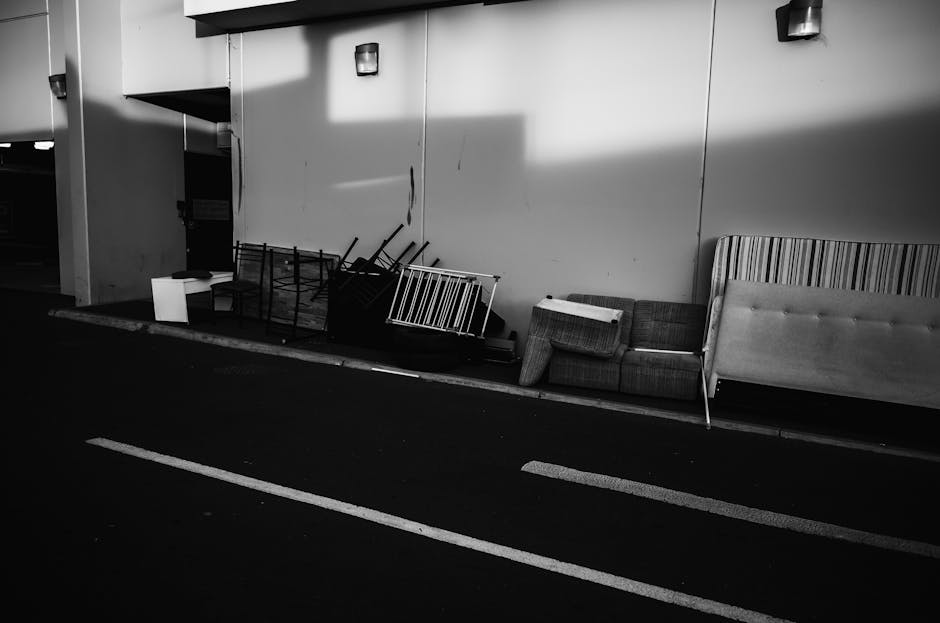
Bulky-item collection in Hayes: sofas, fridges, beds
Posted on 22/05/2026
If you have a sofa taking up half the lounge, a fridge that stopped working three weeks ago, or a bed frame you simply do not want to wrestle down the stairs, you are not alone. Bulky-item collection in Hayes: sofas, fridges, beds is one of those jobs that looks simple from a distance and turns awkward fast once you start measuring doorways, checking access, and wondering whether that old wardrobe might actually be bolted to the floor. Truth be told, bulky items are rarely just "heavy things" - they are awkward, dirty, fragile, and often oddly emotional to get rid of.
This guide explains how bulky-item collection works in practical terms, what to expect in Hayes, and how to prepare sofa, fridge, and bed removals without stress. You will also find safety advice, common mistakes, a comparison of collection options, and a simple checklist you can use the same day. If you are planning a move, clearing a property, or just making space, this should help you make a better decision.
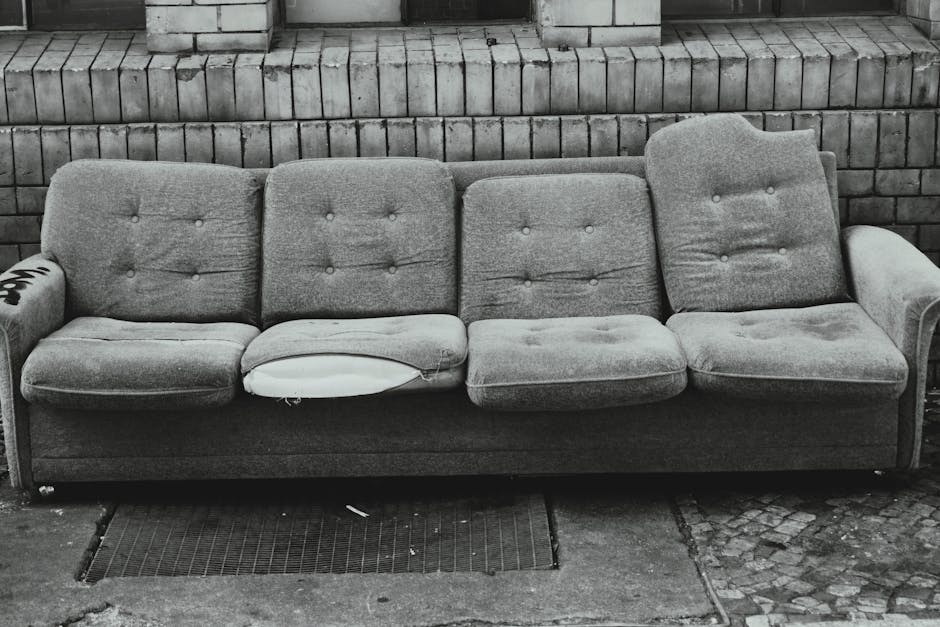
Why Bulky-item collection in Hayes: sofas, fridges, beds Matters
Bulky-item collection matters because the wrong approach can turn a straightforward clear-out into a messy, risky afternoon. A sofa is not just large; it can snag on hallways, scratch walls, trap dust, and require two people who know how to lift in sync. A fridge is worse in a different way: it is heavy, awkwardly balanced, and often needs safe handling if it has been unplugged and emptied. Beds sound manageable until you meet mattress bulk, slatted bases, headboards, and stair turns that seem to shrink by the minute.
In Hayes, the need is often practical and time-sensitive. People are moving out of flats, replacing furniture, helping a relative downsize, or clearing a rental before the next tenant arrives. In those moments, a reliable bulky-item collection service is less of a luxury and more of a pressure release valve. It saves time, reduces lifting risks, and helps keep the process calm rather than chaotic.
There is also a wider value in doing it properly. Items collected correctly are easier to route for reuse, recycling, or responsible disposal. That is especially relevant for white goods and upholstered furniture, which may need separation or special handling. If you are already planning a broader move, it can make sense to pair the collection with furniture removals in Hayes or even a full removals service in Hayes so the whole day feels coordinated rather than pieced together.
How Bulky-item collection in Hayes: sofas, fridges, beds Works
At its simplest, bulky-item collection means a team comes to your property, removes large household items, loads them safely, and transports them away for the next stage - whether that is disposal, recycling, storage, or onward movement. The exact process varies depending on access, item type, and whether the items are being collected from inside the property, a front garden, a garage, or curbside.
Most good collections follow the same broad pattern:
- Assessment - You describe the item or items, access points, floor level, and any awkward details.
- Planning - The collection is matched to the right van size, lifting equipment, and number of crew members.
- Preparation - Items may need to be emptied, disconnected, dismantled, or wrapped.
- Removal - The crew lifts and loads the items with care for the property as well as the furniture.
- Sorting - Depending on the item and condition, it may go for reuse, recycling, or disposal.
Sofas, fridges, and beds each come with their own quirks. Sofas often need rotation or partial dismantling to pass through tight spaces. Fridges may need defrosting and drying first, which can catch people out. Beds often require the mattress and frame to be handled separately, especially if the base is heavy or the headboard is oversized. If you want a helpful overview of the moving process more broadly, the guide on creating a stress-free moving experience is a useful companion read.
One thing to keep in mind: collection is not just about muscle. It is about sequence. If the item is carried before the hallway is cleared, before measurements are checked, or before the route is protected, you may end up with scuffed paint and a sore back. Not ideal. Not ideal at all.
Key Benefits and Practical Advantages
A well-organised bulky-item collection does more than remove an object from your home. It makes the whole property easier to use again. That sounds obvious, but in practice it is a real relief. Suddenly there is room to clean, repaint, stage a room, or simply breathe without a giant sofa blocking the light.
- Safer lifting and moving - Reduces the chance of back strain, dropped items, and property damage.
- Less disruption - A planned collection is usually much quicker than trying to improvise with friends, borrowed vans, and guesswork.
- Better use of space - Great for downsizing, resetting a rental, or preparing a room for something new.
- More responsible handling - Good providers can route items toward reuse, recycling, or appropriate disposal.
- Cleaner property handover - Particularly useful when you are trying to meet a move-out deadline or prepare for viewings.
There is a practical emotional benefit too. Letting go of bulky furniture can make a new home feel less cluttered and more yours. The article on decluttering for a smoother transition speaks to that nicely. It is not just about rubbish removal; sometimes it is about making a decision that helps the next stage of life feel lighter.
For beds and mattresses especially, a proper collection can save an exhausting amount of effort. If you have ever tried to angle a mattress around a stair bend in winter, with one person muttering "just tilt it a bit more", you will know exactly what I mean.
Who This Is For and When It Makes Sense
This kind of service is useful for a surprisingly wide range of people. If you are moving home, refurnishing, helping a family member downsize, or replacing a broken appliance, you are already in the target group. But there are some more specific situations where it makes especially good sense.
- Home movers who need a sofa, bed, or fridge removed before or after moving day.
- Tenants and landlords dealing with end-of-tenancy clear-outs or leftover furniture.
- Families downsizing and making room for simpler, more manageable furnishings.
- Students leaving shared accommodation and needing quick, efficient clearance.
- Older residents or carers who need a safe, low-stress solution rather than attempting DIY lifting.
- People replacing appliances where the old fridge, freezer, or bed needs to be removed before the new one arrives.
It also makes sense when the item is still physically movable but not realistically movable by you. That distinction matters. A sofa can be "moveable" and still not be sensible to move without the right help. Same for a fridge that technically fits through the doorway if you remove the door, the trim, and perhaps a bit of your patience. The point is to save effort where it counts.
If you are unsure whether your job is really a bulky-item collection or part of a wider move, pages like man and van in Hayes, man with a van in Hayes, and flat removals in Hayes can help you compare the right level of support.
Step-by-Step Guidance
Here is the simplest way to handle a bulky-item collection without the usual scramble. Keep it calm. Keep it tidy. And start earlier than you think you need to.
- Identify exactly what is going
List the sofa, fridge, bed frame, mattress, or extras such as drawers, chairs, and side tables. People often forget the small parts, then realise they are still stuck with a dismantled headboard in the hall. - Check access
Measure doorways, stair turns, lifts, and any tight corners. A few centimetres can make the difference between a smooth exit and a lot of grunting. - Empty and clean the items
Remove cushions, bedding, shelves, and fridge contents. For fridges, defrosting and drying beforehand is often sensible. For mattresses, strip off covers and protect the fabric if needed. - Dismantle what can be dismantled
Bed frames, sofa legs, and appliance handles sometimes come off easily and make transport much safer. - Clear the route
Move lamps, shoes, pet bowls, and anything breakable out of the way. It sounds basic, but it prevents a surprising number of mishaps. - Arrange the collection slot
Pick a time when parking, access, and neighbours are least likely to cause friction. Early morning can be quieter on many residential streets. - Prepare the property
Put down protective coverings if needed and make sure the crew can reach the item directly. This matters more in flats and narrow terraces. - Confirm the disposal route
Ask how the item will be handled afterwards, especially if it is still usable, part-repairable, or recyclable.
If you are collecting items as part of a bigger move, the article on packing and moving checklists is worth using alongside this guide. It helps you avoid the classic "everything is packed except the thing we needed to move first" problem. Happens more than people admit, to be fair.
And if the item is particularly awkward or you are dealing with stairs, it may be worth reviewing the sensible-lifting advice in lifting heavy items efficiently before anyone tries to do heroics.
Expert Tips for Better Results
A few small choices can make bulky-item collection much smoother. None of them are flashy, but that is the point. The quiet, practical stuff is usually what saves the day.
- Measure twice, move once. Check the largest dimension, not just the width. Sofas often catch on corners because of arms or feet, not the main body.
- Take photos before collection. Handy for quoting, confirming access, and making sure everyone is talking about the same item.
- Keep bolts and fixings in a bag. If the bed is going to be rebuilt elsewhere, label the bag clearly. A small envelope taped to the frame is a simple trick.
- Do fridge prep early. Ice and moisture make everything more awkward. A dry, empty fridge is easier and cleaner to handle.
- Protect the route. Even a quick wrap of blankets or covers can prevent scuffed walls, especially in narrow hallways.
- Think in layers. If a sofa is going out, can the cushions go first? If the bed is going, can the mattress be moved separately?
- Don't rely on "it should fit". "Should" is not a plan. Measurements are the plan.
One practical local tip: in busy parts of Hayes, parking and access can be the hidden challenge, not the lifting. If you live near a tighter residential road or a busy high street stretch, the collection can be far easier if the van can be positioned with a bit of thought. For that kind of city-style logistics, the blog post on stress-free Hayes High Street removals is a useful read.
For a sofa specifically, there is also value in learning how to handle and store it properly if it is being kept rather than removed. See sofa care and protection tips if your plans involve storage or temporary relocation.
Common Mistakes to Avoid
Most bulky-item problems are not dramatic. They are little oversights that snowball. A missing measurement. A fridge left too late to defrost. A bed frame that "definitely comes apart" until you find the right Allen key is still in a drawer somewhere else.
- Not checking the route first. Door handles, radiators, and bannisters all matter more than people expect.
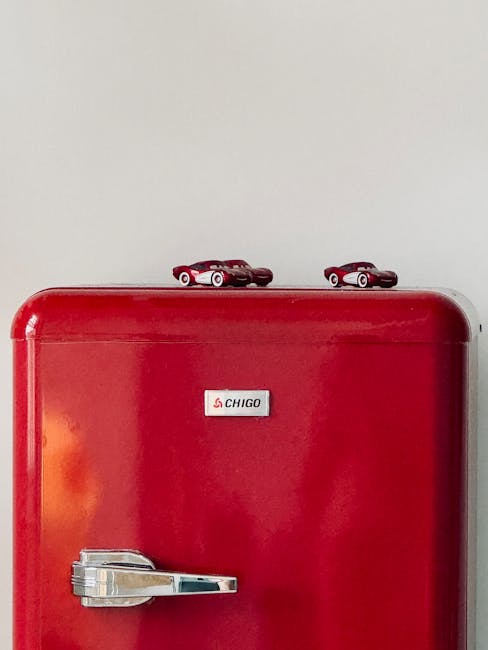
- Trying to move a fridge while it is still full. Heavy, messy, and avoidable.
- Forgetting mattress hygiene. Old bedding, dust, and damp can create an unpleasant job if you leave it too late.
- Underestimating weight distribution. Some items feel lighter until the awkward side swings out.
- Not preparing the property. A few minutes clearing the hallway can save damage later.
- Leaving disposal decisions until the end. If an item may be reusable, confirm that before it is loaded away.
Another common issue is assuming every collection is the same. A single sofa from a ground-floor house is not the same as a fridge from a second-floor flat with a narrow staircase and no lift. That is exactly why a good bulky-item collection starts with the details, not the van.
If the collection is part of a deeper clear-out, the guide on move-out cleaning can help you sequence things properly so you are not cleaning around furniture that should have gone first.
Tools, Resources and Recommendations
You do not need a workshop full of kit to handle bulky items properly, but a small set of tools can make a big difference. The goal is less effort, fewer injuries, and less property damage. Simple as that.
| Item | Why it helps | Best used for |
|---|---|---|
| Blankets or furniture covers | Protect walls, doorframes, and item surfaces | Sofas, bed frames, bulky wooden items |
| Straps or lifting aids | Improve grip and balance | Fridges, mattress moves, heavy bases |
| Marker pen and labels | Helps identify parts and fittings | Bed screws, detachable sofa legs, appliance accessories |
| Measuring tape | Confirms fit through doors, stairs, and lifts | All bulky-item collections |
| Cleaning cloths and towels | Useful for fridge drip trays, dust, and final wipe-downs | Fridges, mattresses, upholstery |
For a broader moving plan, you may also find these service pages useful: removal services in Hayes, removal van options in Hayes, and the full services overview. If you are not sure whether you need a simple collection or a larger move, those pages can help you compare the fit.
If your bulky item needs temporary holding rather than immediate disposal, storage in Hayes may be the better route. That can be useful when you are waiting for a new property completion date, a replacement appliance, or a room renovation to finish. And if you are preparing the rest of the property too, packing and boxes in Hayes can round out the move nicely.
Law, Compliance, Standards, or Best Practice
For bulky-item collection, the main compliance point is responsible handling. In the UK, large household items should not simply be dumped or moved without regard for safety and environmental responsibility. The practical best practice is to use a service that understands safe lifting, proper loading, and appropriate disposal routes for furniture and appliances.
For fridges and freezers, it is sensible to treat them carefully because they can contain materials and components that need proper handling. For sofas and beds, the issue is less about hazardous parts and more about whether the item is reusable, recyclable, or ready for disposal. Good practice usually includes checking whether the item can be separated into parts, whether it needs cleaning before removal, and whether the collection company has a clear handling process.
Safety matters too. A service that follows its own health and safety policy and offers clear insurance and safety information gives you a better standard of reassurance. You do not want surprises when a stairwell is tight or a fridge is heavier than expected. That is exactly the kind of job where thoughtful planning beats bravado.
There is also a broader sustainability angle. Reuse where possible. Recycle where suitable. Dispose responsibly where necessary. The page on recycling and sustainability is relevant here, because a good collection should not treat every item as the same kind of waste. It should be sorted with some care.
Options, Methods, or Comparison Table
There are usually a few ways to get a bulky item out of your home. The best choice depends on how heavy the item is, how urgent the job feels, and how much access you have. Below is a simple comparison.
| Method | Best for | Pros | Watch out for |
|---|---|---|---|
| DIY removal | Very light, simple items | Can be cheap if everything goes right | High risk of injury, damage, or wasted time |
| Man and van support | Single or few bulky items | Flexible, quick, useful for awkward access | Still needs good prep and accurate item details |
| Full removals service | Multiple items or part of a bigger move | More complete support, less stress, better sequencing | May be more service than you need for one small item |
| Storage first, removal later | Uncertain move dates or staged clear-outs | Buys time and reduces pressure | Requires planning and an extra step |
If you are just moving one couch and a mattress, a local van-based solution may be enough. If you are clearing a whole flat, a broader option like house removals in Hayes or student removals may fit better. The right answer really depends on the shape of your day, not just the item itself.
Case Study or Real-World Example
Here is a very typical Hayes scenario. A tenant is moving out of a two-bedroom flat. They have a three-seat sofa, a double bed, a mattress, and an old fridge freezer that has been unplugged for a day but is still damp inside. The lift is small, the corridor is narrow, and the move-out inspection is the next morning.
On paper, the job sounds manageable. In practice, it needs planning. The sofa is measured first, and the legs are checked to see if they can be removed. The bed frame is dismantled before collection day, with the fixings bagged and labelled. The fridge is emptied, defrosted, and wiped down so it can be handled cleanly. Hallways are cleared, bins moved, and the path to the van is made as open as possible.
The key difference was not strength. It was preparation. Because the items were ready, the collection went quickly and the flat could be cleaned without working around the same three awkward objects. That is often the real benefit of professional help: it turns a long, draining task into a short, controlled one. No drama. Just done.
In a situation like that, some people also use bed and mattress moving advice to reduce the risk of damage or poor handling, especially if the bed is being kept for a new property and only the old frame is going.
Practical Checklist
Use this checklist before collection day. It is simple, but it catches most of the annoying little issues.
- Confirm exactly which items are being collected.
- Measure doors, stairs, lifts, and tight corners.
- Empty the sofa, fridge, or bed storage compartments.
- Defrost and dry the fridge or freezer if needed.
- Remove cushions, bedding, and detachable legs or frames.
- Keep screws, bolts, and brackets in a labelled bag.
- Clear the hallway, landing, and entrance route.
- Protect walls or floors if the route is especially tight.
- Check parking and access for the collection vehicle.
- Decide whether the item is to be reused, recycled, stored, or disposed of.
- Have contact details ready in case access changes on the day.
- Keep pets and children away from the working area.
Key takeaway: the smoothest bulky-item collection is the one that has been prepared before anyone lifts a thing. A little organisation saves more time than most people expect.
For readers wanting a broader move plan, it may also help to review why DIY moving can be risky for heavy items and the general guidance on moving heavy pieces efficiently. Not because every sofa is a piano, obviously, but because the lifting logic is similar: awkward weight plus narrow spaces equals trouble if you improvise.
Conclusion
Bulky-item collection in Hayes: sofas, fridges, beds is about more than hauling large objects out of a property. It is about reducing risk, saving time, protecting your home, and making the next stage of life feel less cluttered. Whether you are clearing a flat, replacing a bed, getting rid of an old fridge, or finally saying goodbye to a sofa that has had a long run, the best results come from careful preparation and the right help.
Keep it measured. Keep it practical. And do not underestimate the power of a clean hallway and a well-timed collection slot.
If you are comparing options, looking at service levels, or planning a same-day clear-out, you can also explore same-day removals in Hayes or read more about the company via about us. A quick conversation now can save a lot of faffing later.
Get a free quote today and see how much you can save.