Stockley Park office removals: minimal downtime
If you are planning an office move in Stockley Park, the real challenge is rarely the boxes. It is keeping the business moving while everything else is in transit. Phones still ring, staff still need access to files, and deadlines do not politely pause just because desks are being dismantled. That is why Stockley Park office removals: minimal downtime is about much more than transport; it is about sequencing, communication, and calm execution.
In practice, the best office moves in Stockley Park are the ones that feel almost boring on the day. Files are where they should be, IT is back online quickly, meeting rooms are ready, and no one is wandering around looking for the kettle. A good move has a rhythm to it. A bad one? Lets face it, it can unravel fast.
This guide walks through how to plan an office relocation around minimal disruption, what usually causes downtime, how to reduce it, and what to look for when comparing removal support. It also includes a practical checklist, a comparison table, and answers to the questions businesses ask most often.
Why Stockley Park office removals: minimal downtime Matters
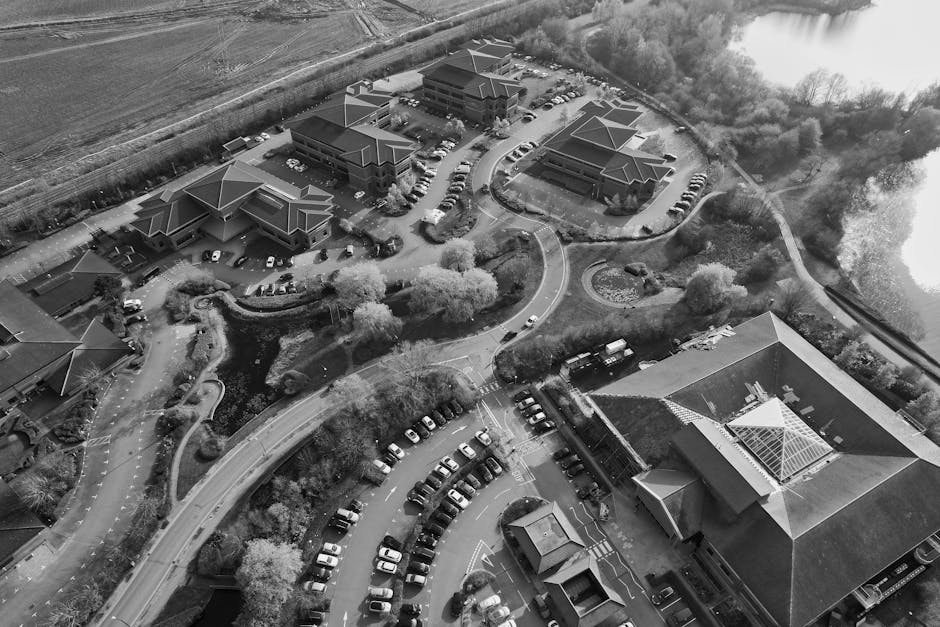
Stockley Park is a business-focused location, which changes the moving brief straight away. Offices here often run on tight schedules, shared building access rules, managed parking, lift bookings, and coordinated supplier deliveries. A move that works fine in a quiet suburban setting can become messy in a complex office park if it is not planned properly.
The core reason minimal downtime matters is simple: business continuity. Every hour lost to packing confusion, delayed IT setup, or unclear floor plans can affect customer service, internal productivity, and revenue. Even a small office can feel the impact quickly. One missed laptop, one inaccessible storage cabinet, one unlabelled network cable... and suddenly half the team is waiting around with that slightly glazed look that usually means coffee has gone cold.
Office removals in Stockley Park also need to protect reputation. If you are moving a client-facing team, a legal office, a consultancy, or a small head office, people expect professionalism. They notice if emails stop, if calls go unanswered, or if staff spend two days hunting for stationery and archived files.
Key point: minimal downtime is not just a convenience. It is a planning goal that protects operations, staff morale, and the customer experience at the same time.
If your move also involves furniture decluttering, phased packing, or temporary storage, it can help to look at related guidance such as decluttering before a move and the wider services overview to understand how different support options fit together.
How Stockley Park office removals: minimal downtime Works
A low-downtime office move is usually built around three ideas: preparation, sequencing, and fast reinstatement. In plain English, that means you prepare every part of the move before move day, you move the right things in the right order, and you restore the most important work functions first.
The process often starts weeks ahead with a site assessment. This is where access details, parking, lift size, floor layout, fragile equipment, and any building restrictions are checked. The more predictable the environment, the easier it is to avoid delays on the day. That may sound obvious, but office moves fail on obvious things more often than people like to admit.
Next comes the move plan. This should identify which departments move first, where key items are going, who is responsible for IT and telecoms, and what has to be live immediately on arrival. For example, the finance team may need accounting software, secure files, and a printer back online before anyone else. A sales team may just need laptops, phones, and a meeting room. Different priorities, different timing.
On the day itself, the removal team should work to a clear sequence:
- Protect floors, lifts, and high-traffic areas.
- Dismantle and label desks, storage, and shared equipment.
- Load items in a set order so priority rooms can be unloaded first.
- Transport items safely and efficiently to the new site.
- Reassemble furniture and place items by department or room plan.
- Restore access to essential workstations, IT, and documents.
It sounds orderly because it has to be. A rushed office move is usually the one that starts with good intentions and ends with somebody saying, "Where is the server lead?" in a tone that nobody enjoys.
For businesses that need packing support, the guide to packing and checklists can be surprisingly useful, even for offices, because the same principles apply: label clearly, group logically, and avoid vague boxes labelled simply "misc." That word is the enemy of efficiency.
Key Benefits and Practical Advantages
When office removals are designed properly, the benefits go well beyond getting from A to B. The biggest advantage is that staff can return to meaningful work sooner. But there are several other gains worth spelling out.
- Less operational disruption: the business can keep serving clients, answering calls, and meeting internal deadlines.
- Better asset protection: labelled, tracked equipment is less likely to be damaged or misplaced.
- Lower stress for staff: people know what is happening, when it is happening, and where they need to be.
- Cleaner handover: the old office can be vacated in a more organised way, which helps with end-of-tenancy obligations.
- Faster setup: essential workstations, meeting rooms, and storage areas can be prioritised immediately.
There is also a quieter benefit that businesses sometimes overlook: morale. A well-managed move sends a strong message that the company values order, care, and people's time. That matters more than it sounds. Staff can tell pretty quickly whether a move has been thought through or just improvised at the last minute over weak tea and a shared spreadsheet.
For heavier items, specialist handling can also reduce risk. If your office has large conference tables, awkward filing cabinets, or sensitive equipment, it helps to work with a team that understands safe lifting and protective wrapping. The same caution that applies to lifting heavy items efficiently at home applies in an office setting too, only with more moving parts and more people depending on the outcome.
Who This Is For and When It Makes Sense
This approach is a strong fit for any business that cannot afford a long interruption. In Stockley Park, that often includes professional services firms, small corporate teams, satellite offices, consultancies, and operations teams that need a quick return to full productivity.
It is especially useful if:
- you are moving during a weekend or evening window;
- your team needs to be back online the next working day;
- you have IT equipment, paperwork, or secure storage to relocate;
- you are sharing building access with other businesses;
- your lease or exit date leaves little margin for error;
- you want to phase the move department by department rather than all at once.
Not every office move needs the same level of orchestration. A small team moving a few desks may not need a deeply staged relocation. But if you have multiple departments, service desks, meeting spaces, and networked devices, a structured plan becomes essential.
It is also worth mentioning storage. Sometimes the smartest move is not to bring everything over in one go. Archiving old files or holding surplus furniture in temporary storage can make the transition cleaner. If that sounds familiar, storage solutions in Hayes and careful storage practices show the kind of thinking that keeps a move lean instead of cluttered.
Step-by-Step Guidance
Here is the practical route to an office move with minimal downtime. This is not about being fancy. It is about doing the basics properly and in the right order.
1. Define the business priorities
Start with what must be live on day one. For some companies that means phones, internet, and one printer. For others it means secure file access, a meeting room, and several workstations. Identify the critical services first, because everything else can be staged around them.
2. Create a room-by-room inventory
List furniture, equipment, archive boxes, monitors, chairs, and anything unusual. The inventory does two things: it helps with planning, and it gives you a way to check that nothing goes missing. This is especially useful if staff have mixed personal and shared items on desks. Yes, that one drawer full of cables, chargers, and mystery keys. We all know the drawer.
3. Label by department and destination
Use labels that tell the team exactly where each item belongs. Colour coding helps, but plain language helps more. "Marketing - Floor 2 - South Room" is far better than "Blue box 4". In a busy move, precision beats creativity.
4. Confirm access, parking, and timings
Managed sites often have narrow moving windows, lift booking rules, and loading restrictions. Confirm these early. A perfectly packed move can still run late if the van cannot park where it should or the lift is being shared with another tenant.
5. Protect IT and sensitive assets
Computers, screens, routers, and record storage need extra care. Back up data before the move. Photograph cable layouts if needed. Keep power leads and accessories with the devices they belong to. A tiny bit of preparation here saves a surprising amount of grief later.
6. Move essential areas first
Once unloading begins, prioritise the spaces that get the business operational fastest. That may be reception, admin, finance, or the server area. Less critical furniture can wait a little. No need to do everything at once if the goal is speed and continuity.
7. Test and sign off
Before declaring the move complete, test the basics: internet, phones, printers, key software access, lights, and any shared meeting tech. A move is not truly finished until people can work normally. That final check is where many problems are caught, and thankfully it is usually the easiest time to fix them.
Expert Tips for Better Results
Small decisions make a huge difference in office removals. The difference between a decent move and a smooth one often comes from details people skip because they seem too ordinary to matter. They matter.
- Schedule the move around business rhythms: evenings, weekends, or quieter trading windows usually reduce disruption.
- Appoint one decision-maker: too many voices slow things down when quick calls are needed.
- Use a move map: a simple floor plan showing desks, rooms, and priorities can save a lot of backtracking.
- Pack shared supplies separately: stationery, chargers, adaptation leads, and basic tools should not vanish into general boxes.
- Build in a buffer: a bit of slack time is not wasteful; it is insurance against the unexpected.
Another useful habit is to separate "must-have today" items from "can wait until tomorrow" items. In a real office move, that distinction is gold. It keeps people focused. It stops the chaos spreading.
If heavy or awkward items are part of the move, do not treat the office like a DIY lifting challenge. The same practical caution seen in why DIY piano moving can go wrong applies to filing cabinets, large conference tables, and bulky archive units. One bad lift can slow the whole project and create avoidable damage.
And if you want the move itself to feel calmer for everyone involved, the broader advice in creating a stress-free moving experience is worth a read. It sounds personal, but the principles are very transferable to office logistics.
Common Mistakes to Avoid
Most downtime during office removals comes from a handful of avoidable errors. Nothing dramatic, just ordinary mistakes that stack up.
- Leaving packing too late: if items are still being sorted on moving day, the schedule will slip.
- Not backing up files: a basic safeguard, yet one that gets missed more often than people expect.
- Failing to brief staff: if the team does not know where to be, the move slows down.
- Mixing personal and business items: this creates confusion during unpacking and sign-off.
- Ignoring building constraints: lift bookings, access codes, parking, and site rules all matter.
- Underestimating reassembly time: desks, shelving, and modular furniture take longer than many people assume.
There is also a subtle mistake that catches businesses out: treating the old office exit and the new office setup as two separate jobs. They are not. They are one linked project. If the handover of the old space is rushed, the new space feels chaotic. If the new space is ready but the old space is disorganised, you still lose time. The two ends need to talk to each other, so to speak.
For office exits that include cleaning, disposal, or end-of-tenancy preparation, this guide on move-out cleaning planning can help you avoid last-minute scrambles.
Tools, Resources and Recommendations
You do not need a mountain of kit to run a good office move, but a few practical tools make things much easier. The right setup keeps the process structured and less dependent on memory, which is handy because moving day has a way of making everyone forget the obvious.
| Tool or resource | Why it helps | Best used for |
|---|---|---|
| Colour labels or printed room stickers | Makes sorting and placement faster | Desk groups, departments, storage boxes |
| Floor plans for both sites | Reduces confusion during unloading | Room placement and furniture layout |
| Inventory spreadsheet | Tracks items and checks nothing is missing | Equipment, archive boxes, furniture |
| Protective wrapping and crates | Helps prevent damage during transit | Screens, IT equipment, glass shelving |
| Temporary storage | Keeps surplus items out of the way | Archive reduction, phased fit-outs, old furniture |
In many cases, a professional removal van and the right number of crew members make more difference than extra packaging alone. A well-matched vehicle and team can keep loading cycles efficient and reduce the chance of bottlenecks. If you want to compare support levels, it helps to review pages such as removal services in Hayes, local removal company options, and the practical scope of man and van support when smaller, flexible transport is all that is needed.
For packing supplies, the dedicated packing and boxes service is worth considering if your team would rather keep its focus on work instead of hunting for tape, cartons, and bubble wrap. Not glamorous, but very useful.
Law, Compliance, Standards, or Best Practice
Office removals do not usually involve a single dramatic legal hurdle, but they do sit within a broader framework of health, safety, security, and property responsibilities. In the UK, businesses are generally expected to manage moving activities responsibly, especially where staff, visitors, or contractors may be at risk.
Best practice usually includes:
- clear risk awareness for lifting, carrying, and loading;
- safe handling of electrical items and cables;
- secure transport of confidential files or data-bearing devices;
- respecting building access rules and site management requirements;
- keeping walkways free from trip hazards during the move;
- using competent help for heavy, awkward, or high-value items.
For businesses with internal policies, it helps to align the move with documented procedures covering health and safety, insurance, data security, and contractor access. If a removal provider is being assessed, useful reference pages include health and safety policy information, insurance and safety guidance, and payment and security details for administrative reassurance.
It is also wise to ask about recycling and responsible disposal if you are replacing furniture or equipment. That is where a provider's approach to recycling and sustainability can support a cleaner, more responsible move.
Practical note: if your business handles sensitive information, review your own internal data-handling rules before packing archives or devices. Keep it simple, keep it controlled, and do not let "temporary" turn into "we lost track of it".
Options, Methods, or Comparison Table
There is more than one way to manage an office move with low disruption. The right choice depends on office size, urgency, budget, and how quickly the business must be operational again.
| Approach | Best for | Strengths | Trade-offs |
|---|---|---|---|
| Full coordinated office relocation | Medium to larger teams, multiple departments | Most efficient for complex moves, strong sequencing | Needs more planning and coordination |
| Phased move | Businesses that cannot shut down fully | Allows part of the team to keep working | Can take longer overall |
| Out-of-hours move | Client-facing offices with minimal weekday disruption | Reduces impact on business hours | Requires careful timing and staffing |
| Small-team van-assisted move | Compact offices or satellite teams | Flexible and often quicker to arrange | Less suitable for heavy or highly structured relocations |
To be fair, the best method is often a blend. A business may use a phased approach for staff desks, an out-of-hours slot for IT migration, and short-term storage for surplus furniture. There is no prize for doing everything the hard way.
If your office move is tied to a wider local relocation or commercial premises change, the advice on stress-free local removals can help you think through the timing and logistics in a more rounded way.
Case Study or Real-World Example
Picture a small professional office in Stockley Park with a dozen staff, several monitors, a shared printer area, secure files, and a meeting room used daily for client calls. The team needs to leave its old space on a Friday evening and be working again by Monday morning. Not ideal if anything drifts.
The move works best when broken into clear stages. First, staff pack their own desk items and label them by department. Next, IT disconnects equipment in a controlled order and backs up essential systems. Then the removal team handles the furniture, the archive boxes, and the common areas. At the new site, desks are placed according to the floor plan before the screens, cables, and chairs are reconnected.
What made the move smoother was not luck. It was the absence of guesswork. The team knew which boxes were critical, which rooms had priority, and who was allowed to make final decisions if a timing issue came up. There was still a little chaos, because real life always brings a bit of that. One box arrived with three staplers and no labels. Classic. But the important thing is that staff were back at their desks on time.
This is also where specialist handling matters. Large office furniture, fragile screens, and awkward items like old storage units can create delays if treated casually. Even in an office, the principles behind safe handling and careful wrapping are the same ones that help with furniture removals and higher-risk items such as specialist piano removals. Different item, same discipline.
Practical Checklist
Use this checklist to keep the move organised and the downtime low.
- Confirm moving date, access times, and building restrictions.
- Choose one project lead to approve quick decisions.
- Create an inventory of furniture, IT, files, and shared equipment.
- Back up digital data and secure login details.
- Label boxes by department, room, and priority.
- Prepare a floor plan for the new office.
- Separate critical items from non-essential items.
- Arrange parking, lift access, and loading arrangements.
- Protect floors, screens, and delicate surfaces.
- Plan for disposal, recycling, or storage of surplus items.
- Test phones, internet, and core systems after arrival.
- Walk through the site and complete a final sign-off.
If you want a broader move planning reference, the detailed stress-free moving guide is a handy companion piece. It is not office-specific, but the planning mindset is spot on.
Expert summary: the shortest downtime usually comes from the clearest plan. Not the biggest van, not the fastest crew, not the fanciest labels. Just the clearest plan, followed properly.
Conclusion
Stockley Park office removals with minimal downtime are absolutely achievable, but they depend on disciplined preparation and a move plan that is built around business continuity rather than just transport. The more clearly you define priorities, the more efficiently the move can be phased, packed, delivered, and reinstated.
For most businesses, the winning formula is straightforward: plan early, label properly, protect the IT, brief the team, and keep the most important functions at the front of the queue. Do that, and the move feels manageable. Skip it, and even a short relocation can turn into a long week.
If you are comparing options or planning your next step, take a calm look at the scope of the move, the support you need, and how quickly you need to be operational again. Small decisions now can save a lot of time later, and probably a few headaches too.
Get a free quote today and see how much you can save.
And if you do it well, the day after the move should feel less like recovery and more like a clean start. That is the goal, really.
Frequently Asked Questions
How do office removals in Stockley Park minimise downtime?
They minimise downtime by using a clear sequence: assess the site, label everything carefully, move critical items first, and restore essential systems as soon as possible. The move is planned around business priorities rather than around the truck alone.
How far in advance should I plan an office move?
Earlier is better, especially if the office has IT equipment, multiple departments, or building access restrictions. Many businesses benefit from planning several weeks ahead so there is time to confirm layouts, packing, and handover details without a rush.
Can a small office move outside business hours?
Yes, and that is often one of the easiest ways to reduce disruption. Evening or weekend moves can help the team return to work faster, though they still need proper scheduling and access arrangements.
What should be moved first to keep the business running?
Usually the essentials: phones, internet equipment, laptops, key files, and the workstations of teams that need immediate access. Reception, finance, and client-facing departments are often prioritised first, depending on the business.
How do I handle IT equipment during an office relocation?
Back up data, photograph cable setups if helpful, and keep accessories together with each device. Sensitive equipment should be handled carefully and loaded in a way that protects it from impact and moisture.
Is temporary storage useful during an office move?
Very much so, if you have surplus furniture, archives, or equipment you do not need at the new site straight away. Storage can make the move cleaner and prevent clutter from slowing down the setup.
What are the biggest causes of office move delays?
Poor labelling, late packing, unclear responsibilities, building access problems, and unplanned IT issues are common causes. In many cases, the delay starts with one small thing that was never written down.
Do I need a professional removal company for a Stockley Park office move?
It depends on the size and complexity of the move, but professional support is usually helpful when downtime needs to be kept low. A structured team can handle sequencing, lifting, transport, and reassembly more efficiently than a DIY approach.
How can I reduce staff stress during the move?
Keep communication simple and regular. Tell staff what they need to pack, when they need to do it, and what will be ready on arrival. People relax a bit when they know what is happening. Fancy, that.
What should I check before the moving day itself?
Check access times, parking, lift bookings, floor plans, labelling, insurance, backups, and who is responsible for each part of the move. A last-minute check can catch the kind of detail that causes unnecessary delays.
Can office removals include furniture disposal or recycling?
Yes, and it is often sensible to combine them. Old desks, broken chairs, and surplus storage units can be removed or routed into recycling, which helps the new office feel tidy from day one.
What makes Stockley Park office moves different from standard office removals?
Stockley Park often involves managed office environments, shared access points, and tighter coordination requirements. That means planning and timing matter even more than usual, especially if the business needs to keep interruptions to a minimum.